Tribal Fish: A Designer’s Review for Craft Fair Success
As an embroidery designer who has spent countless weekends standing behind booth tables, I have learned that not every machine embroidery design translates into a bestseller. Some designs look beautiful on a screen but fall flat in person. Others are technically complex but fail to catch the eye of a passing shopper. Today, I am reviewing Tribal Fish, a design that promises to add a touch of charm and whimsical accent to various fabrics. My goal is to evaluate this piece not just as art, but as a viable craft fair product for handmade shop owners and Etsy sellers looking to maximize their return on investment.
First Impressions and Visual Appeal
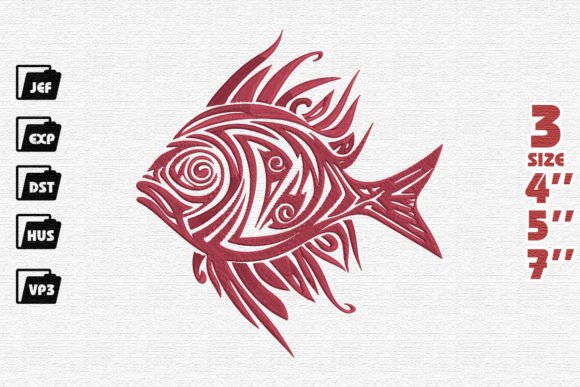
The title Tribal Fish immediately suggests a specific aesthetic. It implies bold lines, geometric patterns, and perhaps a nod to indigenous or modern graphic styles rather than realistic aquatic illustration. For a craft fair environment, this is promising. Shoppers often scan tables quickly, and high-contrast, graphic designs tend to stop the eye faster than subtle, shaded imagery. If the design delivers on its promise of being "cool" and "whimsical," it bridges the gap between modern minimalism and playful decor.
When I visualize this embroidery file on a display table, I see versatility. It does not feel strictly farmhouse or overly elegant; instead, it feels accessible. This accessibility is crucial for a small shop product. Customers want items that feel unique but not intimidating. A tribal-style fish motif can appeal to children, adults, and home decorators alike, making it a safe yet interesting choice for batch production.
Strategic Product Placement for Maximum Sales
To determine where Tribal Fish shines, we must consider the substrate. The product description mentions t-shirts, towels, and home decor. Here is how I would deploy this design in a real-world booth scenario:
- Tote Bag Design: This is likely the strongest contender. A canvas tote provides a large, flat surface that showcases the tribal lines clearly. It is a high-margin item that sells well at markets.
- Tea Towel Embroidery: Kitchen linens are impulse buys. Placing the fish near the hem or corner adds a fun accent without overwhelming the fabric. However, ensure the stitch count is not too dense for thin cotton.
- Apron Embroidery: An apron with a central tribal fish motif creates a statement piece. It appeals to cooks who want personality in their kitchen gear.
- Embroidered Patch: If the design scales down well, turning it into an iron-on or sew-on patch allows customers to customize their own jackets or bags. This is a low-cost, high-volume finished product.
- Caps and Pouches: These are trickier. Curved surfaces can distort geometric tribal lines. I would proceed with caution here, ensuring the design is centered and stabilized properly.
Production Practicality and Batch Efficiency
For any Etsy seller or boutique maker, time is money. A design that is difficult to hoop or requires excessive trimming kills profitability. Tribal Fish appears to be a single-motif design, which simplifies the workflow. There are no complex multi-hoop alignments required, making it ideal for rapid production runs.
However, we must address stitch density. Tribal designs often rely on solid fills to create bold shapes. If the density is too high, it can cause puckering on lightweight fabrics like t-shirts or tea towels. Conversely, if the density is too low, the backing fabric might show through, ruining the clean look. I recommend testing this digital embroidery file on scrap fabric identical to your final product before committing to a full batch.
Photography is another critical factor. Graphic designs like this photograph exceptionally well for online listings. The clear outlines make it easy to create a striking printable mockup or lifestyle image. High-contrast images perform better in social media feeds, driving more traffic to your shop.
Careful-Use Notes and Technical Considerations
While Tribal Fish has strong potential, there are technical pitfalls to avoid. As an experienced designer, I advise paying close attention to the following:
- Fabric Texture: Textured towels can obscure fine details. If the tribal pattern includes thin lines, they may get lost in the loop of a terry cloth towel. Test on both smooth and textured surfaces.
- Dark Fabric: If stitching on dark navy or black fabric, ensure your thread colors have enough contrast. Metallic or bright neon threads might enhance the "tribal" vibe while ensuring visibility.
- Stabilizer Choice: Do not skimp on stabilizer. For stretchy fabrics like t-shirts, use a cut-away stabilizer to prevent distortion over time. For woven home decor, a tear-away may suffice, but test first.
- Scaling Limits: Check the minimum size. If you shrink the design too much for a small pouch, the intricate tribal elements may merge into a blob. Always verify the clarity at your intended size.
Enhancing Brand Consistency and Buyer Engagement
Using a cohesive design like Tribal Fish helps build brand identity. If your shop focuses on whimsical, nature-inspired goods, this design fits perfectly. It signals to buyers that you curate your design assets carefully. When customers see a consistent style across your tote bags, pillows, and patches, they perceive higher value and professionalism.
Furthermore, this design encourages engagement. It is conversation-starting. A customer might ask, "Is that a tribal pattern?" This opens the door for you to explain your process, the quality of your commercial embroidery, and the story behind your brand. Engagement leads to sales.
Final Verdict and Designer Recommendations
Before listing Tribal Fish as a core product, take these final steps. First, confirm the hoop size requirements. Ensure your machine can accommodate the largest version of the design if you plan to offer multiple sizes. Second, review the license terms. Since this is a machine embroidery design intended for commercial use, verify that you have the right to sell finished products made with this file. Most designers allow this, but always read the specific terms included with the download.
Create at least one real physical sample. Do not rely solely on digital previews. Hold the embroidered item in your hand. Does it feel premium? Is the back neat? These tactile details matter to buyers who are inspecting goods at a craft fair.
In conclusion, Tribal Fish offers a compelling blend of charm and modern graphic appeal. It is well-suited for tote bags, aprons, and home decor items that benefit from a bold focal point. By managing stitch density, choosing the right stabilizer, and leveraging its photogenic qualities for your online store, you can turn this whimsical accent into a reliable revenue stream for your handmade business. It is a design that respects the craft while appealing to the modern consumer, making it a worthy addition to your production lineup.