Cute Mushrooms: A Designer’s Review for Craft Fair Success
As an experienced embroidery designer who has spent countless weekends behind a booth table, I know that the difference between a browsing customer and a buying customer often comes down to visual impact. When I first loaded the Cute Mushrooms digital embroidery file into my software, my immediate reaction was one of relief and excitement. In a market saturated with generic florals and monograms, this design offers a distinct personality. It feels whimsical yet grounded, tapping into the enduring popularity of cottagecore and nature-inspired aesthetics without feeling overly rustic or dated.
This review is written from the perspective of a maker preparing for a high-traffic craft fair. I am evaluating Cute Mushrooms not just as art, but as a viable craft fair product that needs to sell quickly, photograph well for online listings, and withstand the rigors of production.
First Impressions and Visual Appeal
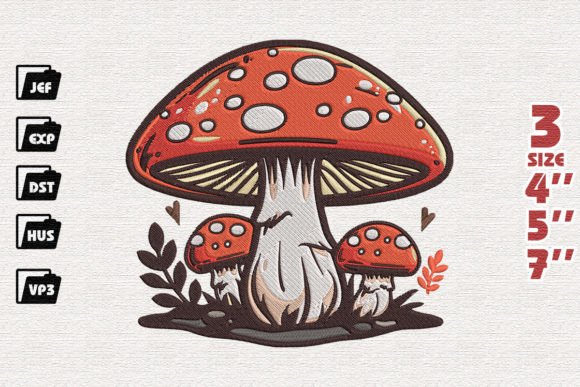
The title says it all: these mushrooms are undeniably cute. The design balances playful shapes with a touch of Forest charm, making it versatile enough for various demographics. For a handmade shop owner, this is crucial. You want a design that appeals to the young adult looking for trendy decor and the parent looking for a unique gift for a child. The burst of color mentioned in the description is key. In a sea of neutral linen and beige cotton at a typical market, the vibrant thread colors of this machine embroidery design will catch the eye from three aisles away.
When assessing the mood, I would classify this as modern whimsical. It is not stiff or formal. It invites interaction. Customers are more likely to pick up an item embroidered with Cute Mushrooms because it evokes a sense of joy and nostalgia. This emotional connection is what drives impulse buys at weekend markets.
Product Applications for Maximum Sales
To maximize return on investment, you must place the right design on the right substrate. Here is how I see this embroidery file performing across different small shop product categories:
- Tote Bag Design: This is arguably the strongest application. A canvas tote with a large, centered cluster of mushrooms creates an instant statement piece. It transforms a basic utility item into a fashion accessory.
- Apron Embroidery: Kitchenware is a staple of craft fairs. Placing the design on the bib of a linen apron adds a charming, homemade feel that resonates with buyers who love cooking and hosting.
- Tea Towel Embroidery: For a lower price point, tea towels are excellent volume sellers. The design works well as a corner accent or a central focal point, adding value to a simple textile.
- Embroidered Patch: If your machine allows for dense satin stitches or if you plan to cut and seal the edges, this design makes for fantastic iron-on patches. Patches are low-cost, high-margin items that appeal to younger demographics.
- Caps and Hats: A small version of the mushroom cluster on the front of a dad hat or baseball cap is trendy. However, curvature requires careful hooping and stabilization.
Production Practicality and Batch Efficiency
For any Etsy seller or boutique maker, time is money. One of the strongest attributes of Cute Mushrooms is its potential for repeatability. The shapes appear clean and defined, which suggests that the stitch path is optimized for speed without sacrificing detail. When producing for a fair, you need designs that can be stitched out reliably ten, twenty, or fifty times without constant thread breaks or trimming issues.
The design serves well as both a small accent and a larger focal design. This flexibility allows you to create a tiered pricing structure. You can offer small pouches with a single mushroom for a lower price and large pillow covers with a full scene for a premium price, using the same digital embroidery file.
Photography and Online Listings
In the digital age, your booth is only half your store. The other half is your online presence. This design photographs exceptionally well. The contrast between the colorful threads and natural fabrics like cotton or linen creates depth in photos. When creating a printable mockup or taking real photos for your Etsy listings, ensure you use good lighting to highlight the texture of the stitches. The "burst of color" will pop against white backgrounds, making your thumbnails stand out in search results.
Careful-Use Notes and Technical Considerations
While the design is robust, no commercial embroidery asset is foolproof. Here are critical technical points to consider before you start stitching:
- Stitch Density: Check the density settings in your software. If the design is too dense for lightweight fabric, it may pucker. Always test on scrap fabric first.
- Fabric Texture: Textured towels can sometimes obscure fine details. Ensure the mushroom caps have enough definition to remain visible on terry cloth or waffle weave fabrics.
- Dark Fabric: If stitching on dark navy or black fabrics, you may need to adjust the underlay or use a lighter backing to prevent the fabric color from showing through the stitches.
- Curved Surfaces: When embroidering on caps, the curved surface can distort the image. Use a cap frame and appropriate stabilizer to maintain the integrity of the mushroom shapes.
- Small Details: If you scale the design down significantly for small items like coin purses, ensure that tiny details do not become lost or merge together. Clarity is essential for perceived quality.
Enhancing Brand Consistency and Buyer Engagement
Using Cute Mushrooms consistently across your product line strengthens your brand identity. If your shop focuses on nature, whimsy, or handmade quality, this design reinforces that narrative. It tells a story of creativity and attention to detail. Buyers engage more deeply with products that feel cohesive. Seeing the same motif on a tote, a towel, and a patch creates a collection effect, encouraging customers to buy multiple items rather than just one.
Essential Designer Checklist
Before you commit to full production for your next market, follow this checklist:
- Test Stitch: Always run a test on the actual fabric you intend to sell. Thread tension and fabric stretch vary wildly.
- Thread Contrast: Choose thread colors that complement the fabric. Earthy greens and browns work for a rustic look, while bright reds and yellows enhance the "cute" factor.
- Stabilizer Selection: Match your stabilizer to the fabric weight. Cut-away for stretchy knits, tear-away for stable wovens.
- Hoop Size: Confirm the required hoop size matches your machine’s capabilities. Do not assume; check the file details.
- Licensing: Verify the commercial license terms. Ensure you are allowed to sell finished products made with this design assets package.
In conclusion, Cute Mushrooms is a strong contender for any embroidery business looking to refresh its inventory. It balances aesthetic appeal with production practicality. By understanding how to leverage its visual strengths and managing the technical requirements, you can turn this digital file into a best-selling handmade product that delights customers and boosts your bottom line.