Geometric Necklace: A Designer’s Review for Craft Fairs
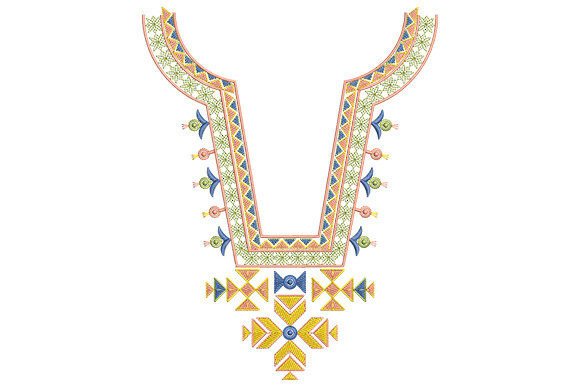
As an embroidery designer who has spent countless weekends behind a booth table, I know that the difference between a browser and a buyer often comes down to visual impact. When I first loaded the Geometric Necklace design onto my screen, my immediate thought was not just about stitch quality, but about marketability. This is not merely a decorative element; it is a statement piece. The description promises to revitalize everyday wear, and after reviewing the intricate details, I believe this Zentangle-inspired pattern delivers on that promise with a modern, elegant flair.
First Impressions: Modern Elegance Meets Wearable Art
The first thing that strikes you about Geometric Necklace is its versatility. It does not scream "rustic" or lean too heavily into "farmhouse" trends, which can sometimes limit a product's lifespan in a trendy market. Instead, it feels premium and contemporary. The geometric lines create a sense of structure, while the enchanting details provide the softness associated with high-quality Embroidery. For a craft fair seller, this balance is crucial. You want a design that appeals to the minimalist who loves texture as much as the maximalist who loves detail.
When evaluating this as a craft fair product, I look for designs that stop people in their tracks. This pattern has a bold, architectural quality that stands out from a distance. It looks expensive. In a sea of simple monograms and basic shapes, Geometric Necklace offers the complexity of hand-drawn art with the precision of a machine embroidery design.
Strategic Product Placement for Maximum Sales
Not every design works on every item. Part of running a successful small shop product line is knowing where your assets shine. Here is how I would deploy this design in a real-world booth scenario:
- Tote Bags: This is arguably the best canvas for Geometric Necklace. A large, centered placement on a natural cotton canvas tote creates an instant fashion accessory. It transforms a utility item into a tote bag design that customers feel proud to carry.
- Aprons: For the culinary crowd, placing this design on the bib of a high-quality linen apron adds a touch of sophistication. It elevates the apron embroidery from a kitchen staple to a giftable luxury item.
- Caps and Hats: Caution is needed here. While the design is stunning, the curved surface of a cap can distort complex geometric lines. If you choose to use it here, ensure the hoop size is appropriate and the design is scaled down to fit the front panel without losing clarity.
- Tea Towels: A smaller version of this pattern works beautifully for tea towel embroidery. It adds a decorative border or a central focal point that makes the towel feel like part of a curated home collection rather than a disposable utility.
- Embroidered Patches: Creating iron-on or sew-on patches allows customers to customize their own jackets or bags. This design holds up well as an embroidered patch because the bold lines remain visible even at smaller scales.
Production Practicalities and Technical Considerations
Before you commit to batch production, you must consider the technical aspects of the digital embroidery file. As an experienced designer, I always advise testing on scrap fabric first. The description mentions meticulous crafting, which usually implies a higher stitch density. While this creates a lush, premium look, it also requires careful attention to stabilizers.
For items like sweaters or stretchy t-shirts, using a cut-away stabilizer is non-negotiable to prevent puckering. On woven fabrics like tote bags or pillow covers, a tear-away might suffice, but given the geometric precision, I would recommend a medium-weight cut-away to maintain the sharp angles of the design. Always check your thread colors against your fabric. High contrast works best for geometric patterns; a dark thread on a light fabric, or vice versa, ensures the intricate Zentangle details do not get lost.
Another critical factor is fabric texture. Thick, textured towels or looped fabrics can obscure fine details. If the design includes very thin lines, test it on a smooth cotton or linen first. If the details disappear on textured fabric, consider increasing the stitch width or simplifying the design for those specific products.
Visual Appeal and Brand Consistency
In the world of Etsy seller strategies and boutique making, brand consistency is key. Geometric Necklace fits seamlessly into a brand that values modern craftsmanship. It photographs exceptionally well, which is vital for your online listings. The geometric nature of the design creates natural leading lines that draw the eye in photos, making it easier to create compelling printable mockup images for your digital store.
When customers see this design, they perceive value. It does not look like a quick, mass-produced stamp. It looks like a finished product that required skill and time. This perception allows you to price your items higher, reflecting the true cost of your labor and materials. It enhances buyer engagement because it invites closer inspection. Customers will lean in to see the detail, giving you the opportunity to start a conversation about your process and quality.
Designer Notes for Successful Implementation
To ensure your success with this design assets package, follow these practical steps:
- Verify Licensing: Before selling any commercial embroidery products, confirm the license terms included with the file. Ensure you have the right to sell finished physical goods.
- Test Stitch Density: Run a test stitch-out on your intended fabric. Check for thread breaks or needle heat, which can occur with dense geometric fills.
- Check Hoop Size Compatibility: Ensure the design fits within your machine’s maximum hoop size without requiring excessive re-hooping, which can lead to alignment issues.
- Create Real Mockups: Do not rely solely on digital previews. Photograph the actual stitched item on a model or in a lifestyle setting to show scale and drape.
- Compare Fabric Colors: Create a small swatch book of fabrics that complement the design. This helps you offer consistent colorways across different products, strengthening your brand identity.
In conclusion, Geometric Necklace is a powerful addition to any embroidery business owner’s library. It bridges the gap between artistic expression and commercial viability. By understanding its strengths and respecting its technical requirements, you can create a line of products that not only sells well at craft fairs but also builds a reputation for quality and style. Whether you are an Etsy seller looking to refresh your digital shop or a boutique maker preparing for holiday markets, this design offers the exquisite detail needed to stand out in a crowded marketplace.