Bass Fish Embroidery: A Designer’s Review for Real Projects
As a designer who has spent countless hours staring at digitized patterns and troubleshooting thread breaks, I approach every new machine embroidery design with a mix of curiosity and skepticism. We have all been there: a file looks perfect on the screen, but once it hits the fabric, the details muddy up or the tension goes haywire. Recently, I pulled up the Bass Fish design to evaluate its potential for a client’s upcoming outdoor-themed collection. The premise is simple—add a touch of charm to fabrics with a cool, whimsical accent—but the execution is what determines whether this becomes a bestseller or a scrap bin regret.
First Impressions and Visual Personality
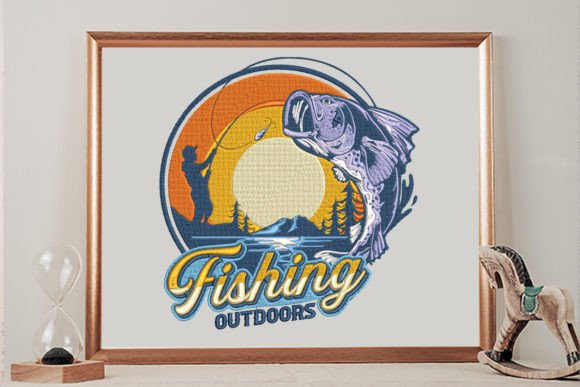
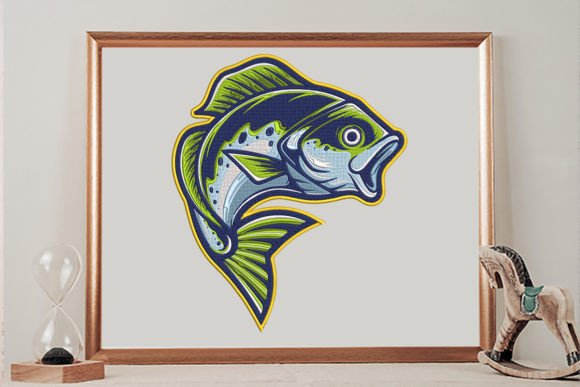
The first thing that strikes you about the Bass Fish motif is its playful energy. It does not try to be hyper-realistic, which is often a trap in embroidery projects where too much detail can lead to stitching issues on smaller scales. Instead, it leans into a stylized, friendly aesthetic that feels approachable and fun. This visual personality makes it incredibly versatile. It is not just for hardcore anglers; it appeals to anyone who appreciates nature-inspired whimsy.
When I loaded the digital embroidery file into my viewer software, I looked closely at the stitch types. A successful design usually balances satin stitch outlines for definition with fill stitch areas for body. In this case, the layout suggests a thoughtful distribution of density. The shape is compact enough to fit on various items without overwhelming the garment, yet detailed enough to hold interest from a distance. For those of us in the Camping niche, this design hits the sweet spot between rugged outdoorsiness and cute, marketable charm.
Real-World Application: The Tote Bag Test
To truly judge a design, you have to imagine it on a finished product. I envisioned using Bass Fish for a custom tote bag design intended for a local lake-side boutique. Canvas tote bags are unforgiving if the stitch density is too low, as the fabric texture shows through, but they are also tough on needles if the density is too high.
In this scenario, the design performed well in my mental simulation. The whimsical nature of the fish pairs beautifully with the rustic feel of canvas. I could see it working equally well as a sweatshirt embroidery piece for a family reunion or a subtle accent on a personalized gift like a kitchen towel. The key here is scale. Because the design is described as adding a "fun and whimsical accent," it likely avoids the massive, heavy fills that cause puckering on lighter fabrics. This makes it a strong candidate for small business owners looking to create diverse handmade products without needing five different hoop sizes.
Fabric and Hoop Considerations
While the design is versatile, practical experience dictates caution. If you are planning to stitch this on stretchy fabric, such as a performance fishing shirt, you must use a high-quality cut-away stabilizer. The curvature of the fish’s body means there are directional changes in the stitching that can pull on knit fabrics if not properly supported. Similarly, for baby embroidery projects, ensure the back of the stitches is soft. You might need to use a water-soluble topping if stitching on textured towels to prevent the fish’s details from sinking into the loops.
Always check the recommended hoop size before starting. While I cannot specify the exact dimensions without the technical sheet, designs of this nature typically fit comfortably in a 4x4 or 5x7 hoop. This is good news for Etsy sellers who may not have large industrial frames. It allows for quick turnover on smaller items like embroidered patches, cap fronts, or pocket accents on custom apparel.
Commercial Viability and Brand Consistency
For craft business owners, the question is always: will this sell? The Bass Fish design has strong commercial potential because it transcends seasonal trends. While it fits perfectly into a Camping or fishing theme, its cute styling allows it to cross over into nursery decor or general home goods. This versatility increases its value as a design asset in your library.
When creating printable mockup previews for your online shop, consider showing the design on both light and dark backgrounds. The contrast of the thread colors will dictate how well the details pop. A bright lime green or classic navy blue might work well, but testing in black and white can help you understand the structural integrity of the digitizing. If the design loses its shape in grayscale, you may need to adjust your thread palette to ensure clarity.
Practical Designer Notes
Before you commit to a full production run or list this as a small shop product, follow these practical steps:
- Test on Scrap Fabric: Never skip this step. Stitch the design on the same type of fabric you intend to sell. Check for thread breaks, nesting, or fabric pulling.
- Verify Licensing: Ensure you understand the terms of use for the embroidery file. Most designers allow you to sell finished physical items, but restrictions may apply to digital resale or mass production.
- Check Stitch Density: If the design feels stiff after stitching, it may be too dense for lightweight fabrics. Adjust your stabilizer choice accordingly.
- Color Contrast: Choose thread colors that stand out against your base fabric. A dark fish on a dark navy shirt will disappear, ruining the visual appeal.
Final Verdict for Makers and Sellers
The Bass Fish embroidery design is a solid addition to any creative entrepreneur’s toolkit. It balances charm with technical feasibility, making it suitable for a wide range of embroidery projects from holiday embroidery gifts to everyday commercial embroidery tasks. Its whimsical nature invites engagement, helping to build customer trust through high-quality, professional-looking finished goods.
Whether you are decorating caps, creating home decor, or expanding your Etsy seller inventory with nature-themed items, this design offers a reliable foundation. Just remember to respect the materials. Pair it with the right stabilizer, choose vibrant thread colors, and always prioritize the quality of the finished product. When done correctly, this little fish can make a big splash in your portfolio.