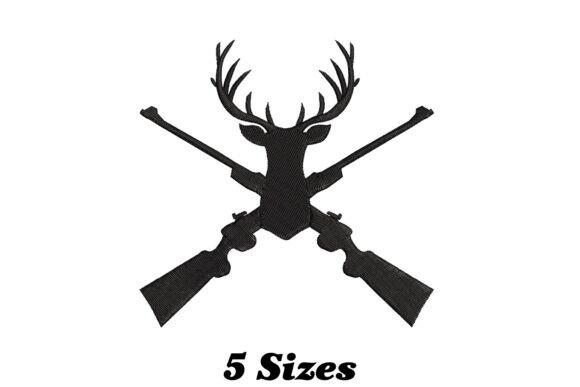
Wildlife Pursuit Deer Hunting: A Designer’s Review
As an embroidery designer who has spent years digitizing files for small business merchandise, I approach every new machine embroidery design with a critical eye. It is not just about whether a motif looks cute on a screen; it is about how it performs in the real world of commercial production. When I first encountered Wildlife Pursuit Deer Hunting, my immediate impression was one of playful charm mixed with rustic appeal. This is not a stiff, corporate logo. Instead, it offers a whimsical touch that feels handmade and authentic, qualities that are increasingly valuable in today’s market.
For owners of boutique shops, creative studios, or outdoor-themed brands, this design sits comfortably within the Camping and outdoor lifestyle categories. However, its versatility extends far beyond traditional hunting gear. In this review, I will evaluate how Wildlife Pursuit Deer Hunting functions as a tool for brand identity, discussing its application on patches, uniforms, and custom apparel, while highlighting the technical considerations necessary for a flawless finished product.
Visual Personality and Brand Fit
The description promises to bring charm to fabrics, and visually, it delivers a friendly, approachable aesthetic. For a small business, the personality of your design assets dictates customer perception. If you run a local bakery, a florist shop, or a pet brand, this design can serve as a seasonal accent that humanizes your brand. It feels less like industrial manufacturing and more like a thoughtful, handmade product. This distinction is crucial for Etsy sellers and crafters who rely on the narrative of artisanal quality to drive sales.
When considering brand identity, consistency is key. Wildlife Pursuit Deer Hunting works best for brands that want to project warmth, nostalgia, or a connection to nature. It may not suit a high-tech startup or a minimalist luxury fashion line, but for businesses focusing on comfort, tradition, or outdoor leisure, it is an excellent choice. The whimsical nature of the design invites engagement, making it ideal for customer gifts or limited-edition merchandise drops.
Real-World Applications for Small Business Merch
Let us move beyond theory and look at practical applications. How does this digital embroidery file perform when stitched out for small business merch?
- Embroidered Patches: This is perhaps the strongest use case. A patch allows for portability and collectibility. You can stitch this design onto twill or felt backings to create iron-on or sew-on patches. These can be sold as standalone items or used to upgrade plain jackets and bags, adding significant perceived value.
- Cap Embroidery: Placing this design on the front panel of a baseball cap or beanie creates a subtle yet stylish statement. Because the design is described as playful, it works well on casual headwear sold in boutique retail settings.
- Apron Embroidery: For cafes, bakeries, or craft studios, branded aprons are essential. Stitching Wildlife Pursuit Deer Hunting on the chest pocket or lower corner adds a unique flair to staff uniforms, distinguishing them from generic service wear.
- Tote Bag Design: Canvas tote bags are a staple for eco-conscious brands. This design serves as a charming focal point on a natural cotton tote, appealing to customers who appreciate sustainable, reusable goods.
- Custom Apparel: On t-shirts and hoodies, this design can act as a left-chest logo or a larger back print. It transforms basic blanks into premium, branded items that customers are proud to wear.
Technical Considerations and Production Notes
While the aesthetic appeal is strong, successful commercial embroidery requires technical precision. Before running a full production batch, there are several factors you must evaluate to ensure quality control.
First, consider stitch density. Whimsical designs sometimes rely on fine details that can get lost if the density is too low, or cause puckering if it is too high. Always test the design on a scrap piece of fabric similar to your final product. If you are stitching on textured fabric, such as heavy canvas or terry cloth towels, you may need to adjust your underlay stitches to ensure the design sits flat and clear.
Second, pay attention to thread colors. The charm of this design likely relies on specific color contrasts. When creating a printable mockup for client approval, ensure the digital representation matches the physical thread palette you intend to use. Dark uniforms may require lighter thread colors for visibility, while light-colored tote bags might need bold, earthy tones to maintain the rustic vibe.
Third, evaluate the hoop size requirements. Although the exact dimensions are not specified in the brief description, you must confirm that the design fits within your machine’s hoop capacity, especially if you plan to stitch it on smaller items like caps or pocket areas. Always check the file details before purchase to avoid resizing issues that could distort the image.
Finally, do not neglect the stabilizer. For items that will undergo frequent washing, such as t-shirts and aprons, using a cut-away stabilizer is often recommended to prevent distortion over time. For hats, a stiff backing is essential to maintain the structure of the cap during stitching.
Enhancing Customer Trust and Product Value
Using a well-executed design like Wildlife Pursuit Deer Hunting directly impacts customer trust. High-quality embroidery signals professionalism and attention to detail. When customers see clean stitches, proper tension, and a cohesive design, they associate those qualities with your entire brand. This is particularly important for online sellers who cannot rely on physical interaction to convey quality.
Moreover, offering customized items with this design can increase buyer engagement. Customers love personalization. Imagine offering this design as an add-on to a standard product, allowing buyers to choose their thread color or placement. This level of customization turns a simple transaction into a memorable experience, fostering loyalty and encouraging repeat business.
Final Verdict and Best Practices
Wildlife Pursuit Deer Hunting is a versatile asset for any small business operating in the lifestyle, outdoor, or handmade sectors. Its playful nature makes it accessible, while its rustic roots give it character. To maximize its potential, follow these steps:
- Test in Black and White: Before committing to color, stitch the design in monochrome to check for clarity and definition. This helps identify any potential gaps or overlapping stitches.
- Check Scalability: Ensure the design remains legible at smaller sizes, such as on a hat or a small patch. If details blur, it may not be suitable for tiny applications.
- Confirm Licensing: Always verify the commercial license terms associated with the digital embroidery file. Ensure you have the right to use it for products you intend to sell.
- Create Mockups: Use high-quality images to show clients how the design will look on their specific products. Visual confirmation reduces errors and increases satisfaction.
In conclusion, Wildlife Pursuit Deer Hunting is more than just a decorative element; it is a strategic tool for building brand presence. By understanding its visual personality and adhering to strict production standards, you can leverage this design to create compelling, high-value merchandise that resonates with your audience. Whether you are decorating aprons for a local cafe or creating patches for an outdoor brand, this design offers the charm and professionalism needed to stand out in a crowded market.