Lemon Fruit: A Designer’s Review for Real Embroidery Projects
As an embroidery designer who has spent countless hours digitizing and stitching out files, I approach every new machine embroidery design with a critical eye. It is not enough for a graphic to look cute on a screen; it must hold up under the needle, survive the wash, and appeal to the end customer. Recently, I evaluated Lemon Fruit, a lively design intended to spruce up fabrics with a creative touch. Here is my practical assessment of how this design performs in real-world scenarios, from small shop merchandise to personalized gifts.
First Impressions and Visual Personality
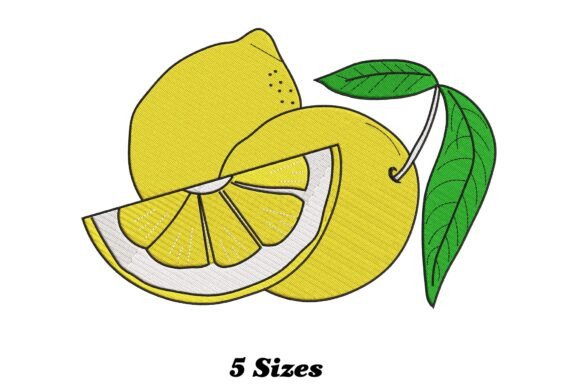
The first thing that strikes you about Lemon Fruit is its inherent cheerfulness. In the world of Food themed Embroidery, citrus motifs are perennial favorites because they evoke freshness and energy. The layout of this design feels balanced, avoiding the cluttered look that plagues many amateur digitizations. The shape is recognizable immediately, which is crucial for quick visual impact on products like tote bags or caps where customers only glance for a second.
The detail level appears moderate, striking a smart balance between artistic flair and stitchability. For a designer, this is a relief. Overly complex fruit designs often turn into muddy blobs of thread when stitched out at smaller sizes. Lemon Fruit seems to prioritize clarity, using clean lines that suggest the texture of the rind without relying on excessive density. This visual personality makes it versatile, fitting naturally into both modern minimalist aesthetics and vibrant, eclectic styles.
Real-World Application: The Custom Tote Bag Test
To truly understand the value of an embroidery file, I mentally place it into a specific project scenario. Imagine a custom order for a boutique client who wants a set of reusable grocery totes. They need something that looks professional but playful. Lemon Fruit is an ideal candidate here. On a natural cotton canvas, the bright yellow thread colors would pop against the neutral background, creating a high-contrast, eye-catching tote bag design.
In this context, the design serves as more than just decoration; it becomes a branding element. For an Etsy seller or small business owner, consistency is key. If your brand identity leans toward organic, fresh, or sunny vibes, this design reinforces that message. It transforms a plain fabric item into a handmade product with perceived value. Customers are more likely to engage with a product that feels thoughtfully designed rather than mass-produced.
Versatility Across Product Types
Beyond totes, this design shows promise in several other categories:
- Custom Apparel: It works well as a chest pocket accent on a denim jacket or as a larger statement piece on the back of a sweatshirt. The sweatshirt embroidery market thrives on nostalgic and fun graphics, and citrus fits this trend perfectly.
- Kitchen Decor: Tea towels and aprons are natural homes for food-themed designs. A lemon motif adds a splash of color to white linens, making them excellent holiday embroidery gifts for housewarmings or summer parties.
- Baby Items: With soft pastel thread choices, this can be adapted for baby embroidery on onesies or bibs. However, care must be taken to ensure the stitch density is not too high for delicate infant skin.
- Embroidered Patches: The clear outline makes it suitable for creating iron-on or sew-on patches, which are popular among crafters looking to customize jackets and bags.
Technical Considerations and Stitching Performance
While the aesthetic is strong, the technical execution determines whether a project succeeds or fails. When reviewing Lemon Fruit, I consider several critical factors that every embroiderer should check before running a full production batch.
Stitch Density and Fabric Choice: The description mentions it brings personality to any item, but "any item" is a broad claim. I would advise testing this design on scrap fabric first. If the design uses heavy fill stitch areas for the lemon body, it may cause puckering on thin or stretchy fabrics like jersey knits. In such cases, using a cut-away stabilizer is non-negotiable. For woven fabrics like cotton or linen, a tear-away stabilizer might suffice, but always test first.
Thread Color Contrast: The success of this design relies heavily on thread choice. A monochromatic yellow-on-yellow look will lack definition. To ensure stitching clarity, use a slightly darker shade for the outlines or details, perhaps incorporating a satin stitch border in green or white to separate the fruit from the background. This technique enhances the three-dimensional effect and prevents the design from looking flat.
Hoop Size and Placement: Before purchasing or using the digital embroidery file, confirm the available hoop sizes. If the design is large, it may not fit on standard cap frames or small hoop machines. For curved surfaces like hats, ensure the design does not have excessive width that could cause distortion during stitching. Always check the digitized path to see if there are long jumps or dense clusters that might require trimming or additional stabilization.
Commercial Viability and Brand Consistency
For commercial embroidery professionals and craft business owners, the license terms are paramount. While the product description highlights its creative touch, it does not explicitly state the licensing agreement. You must verify whether the file allows for unlimited physical sales or if there are restrictions. Selling finished items like personalized gifts or small shop products requires clear commercial rights. Never assume; always read the included documentation.
Furthermore, consider how Lemon Fruit fits into your broader catalog. If you sell design assets or printable mockups, this image needs to look crisp in digital previews. Test it in black and white mockups to ensure the contrast holds up even without color. This step is vital for online listings where customers may view images on various screens.
Practical Designer Notes
- Test on Scrap: Always stitch a sample on the same fabric type you intend to use for the final product. Check for thread breaks or nesting.
- Check Small Details: Inspect the tiniest elements of the design. If there are tiny leaves or stems, ensure they are not so small that they disappear or cause frequent thread breaks.
- Light vs. Dark Fabrics: Compare how the design looks on white versus navy blue fabric. You may need to adjust underlay stitches or add a backing layer for dark materials to prevent the fabric color from showing through.
- Wash Testing: After stitching, wash the sample item. Does the design pucker? Do the threads bleed? This ensures your finished product maintains its quality over time, building customer trust.
In conclusion, Lemon Fruit offers a charming and versatile option for embroiderers looking to add a fresh vibe to their projects. Its strength lies in its clear visual identity and adaptability across various embroidery project types. However, its success depends on thoughtful technical execution. By paying attention to stabilizer choice, thread contrast, and fabric compatibility, you can transform this simple design into a high-value asset for your craft business or a cherished gift for a loved one. Always prioritize quality control and verify licensing to ensure your creative endeavors remain professional and profitable.