Reviewing Hoppy Easter with Bunny Ears and Feet
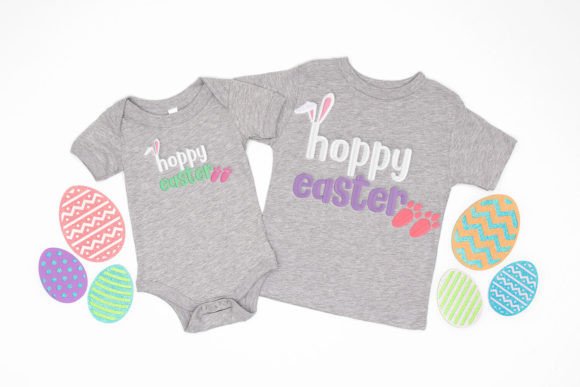
As a designer who spends more time staring at stitch maps than actual fabric, I have learned that not every cute concept translates into a clean machine embroidery design. When I first loaded the file for Hoppy Easter with Bunny Ears and Feet, my initial reaction was one of cautious optimism. The concept is undeniably charming: a playful pun on "Happy Easter" where the letter H sports bunny ears, and two small feet peek out from below the text. It is the kind of whimsical detail that sells well in spring collections, but charm alone does not guarantee a quality finished product.
First Impressions and Visual Personality
The layout of this design relies heavily on typography mixed with illustrative elements. In the digital preview, the balance between the text and the bunny features feels intentional rather than cluttered. The mood is lighthearted and family-friendly, which makes it an ideal candidate for a wide range of holiday embroidery projects. However, experienced eyes know that what looks good on a screen can sometimes turn into a tangled mess under the needle.
The description notes that at larger sizes, some elements switch from satin column to other stitch types. This is a critical detail for any Etsy seller or craft business owner. Satin stitches are beautiful and smooth, but they have limits regarding width and stability. If the design intelligently transitions to fill stitches or running stitches as it scales up, it suggests the digitizer considered structural integrity. This adaptability is vital when you are moving from a small monogram on a baby onesie to a larger statement piece on a tote bag.
Real-World Application: The Tote Bag Test
To truly evaluate Hoppy Easter with Bunny Ears and Feet, I imagined applying it to a standard canvas tote bag. This is a staple item for any small shop product line during the spring season. Canvas is sturdy, but it has a distinct weave that can interfere with fine details. The bunny ears on the H need to remain distinct and not merge into the vertical stem of the letter. If the stitch density is too high, the fabric might pucker; if it is too low, the underlying material might show through, ruining the crispness of the white or pastel threads typically used for this theme.
I also considered this design for sweatshirt embroidery. Fleece and cotton blends are forgiving, but they require careful stabilizer selection. The two bunny feet below the text are small, isolated elements. On a textured fabric like fleece, these tiny details risk getting lost unless the digitizing includes enough underlay to lift the top stitches above the nap of the fabric. For a personalized gift or a boutique item, that level of clarity is non-negotiable. Customers pay for professionalism, and blurry feet on a bunny do not convey quality.
Navigating Fabric and Hoop Constraints
One must be realistic about where this design succeeds and where it struggles. While it is versatile, it is not universal. For custom apparel like fitted t-shirts, the placement is key. Center chest placement works well, but avoid areas with excessive stretch unless you use a cut-away stabilizer. The design’s width needs to be checked against your available hoop size. If you are working with a 4x4 inch hoop, you might be forced to scale the design down, which could compromise the legibility of the word "Hoppy."
Dark fabrics present another challenge. If you are stitching this onto a navy blue hoodie or black apron, you need high-contrast thread colors. The design likely relies on light pastels for the bunny elements. On dark fabric, you may need to add a layer of white underlay or even consider an applique design approach if the digitizer supports it, though this specific file appears to be standard embroidery. Always test on scrap fabric first. Do not assume the default settings will work on every material. A quick test run on a similar weight and texture can save you from ruining a costly garment.
Commercial Viability and Brand Consistency
For commercial embroidery professionals, consistency is currency. If you plan to sell this as part of a collection, ensure that Hoppy Easter with Bunny Ears and Feet matches the aesthetic of your other designs. Does it pair well with your existing floral or geometric patterns? The playful nature of this design fits well with brands that focus on joy, family, and handmade warmth. It enhances buyer engagement because it is instantly recognizable and emotionally resonant.
However, before listing it as a digital embroidery file or selling finished items, verify the license terms. Not all designers allow unlimited commercial use. Check whether you can sell physical products like embroidered patches, pillow covers, or kitchen towels without additional fees. Protecting your craft business means respecting intellectual property just as much as protecting your profit margins.
Practical Designer Notes for Best Results
To get the most out of this design, follow these practical steps:
- Check Stitch Density: Look at the stitch count relative to the size. High density on thin fabric causes puckering. Use a tear-away stabilizer for woven fabrics and cut-away for knits.
- Test Thread Contrast: Ensure the bunny ears and feet stand out against the background. If using white thread on white fabric, the design will vanish. Choose colors that pop.
- Inspect Small Details: Zoom in on the digitizing software. Are the connections between the feet and the text secure? Loose jump stitches can snag during washing.
- Mockup in Black and White: This helps you see the structure without the distraction of color. If the shape reads well in grayscale, it will read well in color.
- Confirm Hoop Compatibility: Ensure the design fits your machine’s maximum hoop area without resizing it beyond recommended limits.
In conclusion, Hoppy Easter with Bunny Ears and Feet is a strong contender for your spring lineup. It balances whimsy with structural logic, provided you respect its limitations regarding fabric type and scale. Whether you are creating a baby embroidery piece for a new arrival or a fun tote bag design for a local market, this design offers the charm customers crave. Just remember: the magic happens in the preparation. Test, stabilize, and stitch with confidence.