Reviewing Girl with Flower for Branded Merch
As an embroidery designer who has spent years digitizing files and consulting with small business owners, I approach every new machine embroidery design with a critical eye. It is not enough for a pattern to look pretty on a screen; it must perform under the needle, withstand washing, and elevate the brand identity of the client using it. Recently, I evaluated Girl with Flower, a design positioned within the Beauty and Embroidery categories, to determine its viability for commercial use. This review focuses on how this whimsical accent translates into tangible business assets for boutiques, cafés, and handmade brands.
First Impressions: Visual Personality and Brand Fit
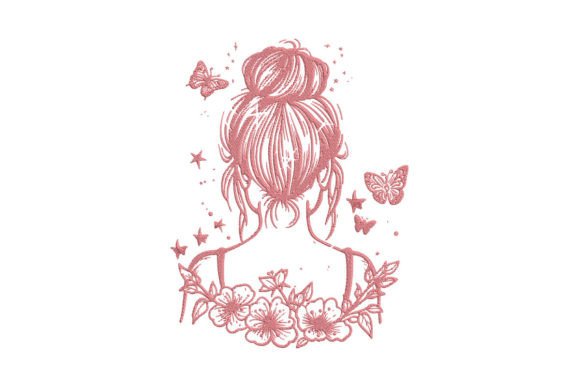
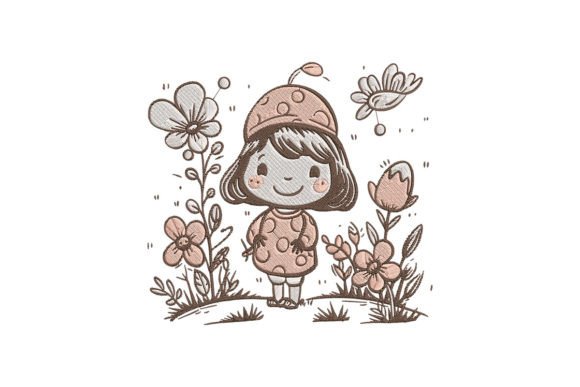
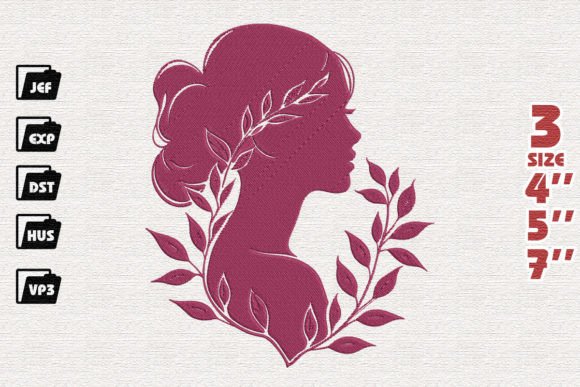
The initial impression of Girl with Flower is one of approachable charm. The description promises a "fun and whimsical accent," and visually, it delivers a soft, friendly aesthetic. For businesses in the beauty, wellness, or creative sectors, this visual language is crucial. It does not scream corporate rigidity; instead, it whispers handmade care. When I imagine this stitched onto a canvas tote or a linen apron, it feels organic and welcoming.
However, "whimsical" can sometimes border on childish if not handled correctly. The key to making this work for a professional brand is context. For a high-end spa or a rustic florist, this design adds a layer of warmth that sterile logos often lack. It suggests that the business values personality and connection. If your brand identity leans toward modern minimalism or industrial chic, this might feel out of place. But for bakeries, pet brands, and local craft studios, it aligns perfectly with the expectation of a personalized, human touch.
Real-World Applications for Small Business Merch
The versatility of Girl with Flower lies in its adaptability across various custom apparel and accessory items. Here is how I envision this design performing in a real-world commercial setting:
- Staff Uniforms and Aprons: Stitching this on the chest pocket of a barista’s apron or a boutique employee’s shirt creates an immediate sense of team cohesion without feeling like a rigid uniform. It serves as a subtle badge of pride.
- Embroidered Patches: This is perhaps the strongest use case. By digitizing or using the existing file to create iron-on or sew-on patches, you can create low-risk merchandise. Customers love buying patches to customize their own jackets or bags, extending your brand’s reach beyond your direct products.
- Tote Bag Design: Canvas totes are a staple for eco-conscious brands. Placing Girl with Flower as a central motif or a corner accent turns a simple bag into a walking advertisement. The whimsical nature encourages customers to carry it casually, increasing brand visibility.
- Cap Embroidery: For a softer look, this design works well on unstructured dad hats. However, placement is critical. It should sit slightly off-center or be scaled down to fit the curved surface without distortion.
When used as a printable mockup element in your online store, this design can help visualize the final product, giving customers confidence in the quality of your handmade product offerings.
Technical Considerations and Production Challenges
While the aesthetic is strong, any experienced embroiderer knows that technical execution makes or breaks the finished product. Before running a large batch of commercial embroidery, there are several factors to consider regarding Girl with Flower.
First, assess the stitch density. Whimsical designs often rely on fine details to convey expression. If the density is too high, the fabric may pucker, especially on lighter materials like t-shirts or silk scarves. Conversely, if the density is too low, the design may look sparse and unprofessional. I recommend testing the design on a scrap piece of the exact fabric you intend to use. Pay close attention to the thread colors chosen. Since this is a character-based design, skin tones and flower hues must have sufficient contrast against the background fabric. On dark uniforms, you may need to add an underlay or choose brighter thread shades to ensure the design pops.
Another critical factor is the hoop size. Ensure that the design fits comfortably within your standard hoop without requiring excessive re-hooping, which can lead to misalignment. For smaller items like pocket squares or baby clothes, verify that the design scales down without losing integrity. Tiny details can become a mess of thread if the scale is too small for the needle to navigate accurately.
Fabric Texture and Stabilizer Selection
The description mentions stitching on towels, which implies a textured surface. Towels and thick home decor fabrics require a robust stabilizer to prevent the design from sinking into the pile. A cut-away stabilizer is often best for items that will undergo frequent washing, such as towels and aprons. For delicate fabrics, a tear-away might suffice, but always test first. The interaction between the fabric texture and the thread can change the look of the design significantly. A smooth satin stitch might look luxurious on silk but could get lost on a rough burlap tote.
Enhancing Brand Identity and Customer Trust
Using a unique design like Girl with Flower contributes significantly to brand recognition. In a market saturated with generic clipart, a well-executed embroidery design signals quality. It tells the customer that you have invested time and resources into your presentation. This perception of value allows for higher price points on merchandise.
Furthermore, consistency is key. If you use this design across multiple touchpoints—your website, your packaging, and your staff apparel—it creates a cohesive visual narrative. This consistency builds trust. Customers feel more secure buying from a brand that appears established and thoughtful. Whether you are selling digital embroidery files or physical goods, the professionalism of the stitch work reflects directly on your business reputation.
Practical Designer Notes for Implementation
Before integrating Girl with Flower into your production line, follow these steps to ensure success:
- Test in Black and White: Remove color variables to check the structural integrity of the design. If it looks good in monochrome, it will likely look good in color.
- Check Commercial Licensing: The product description does not explicitly state license terms. Always confirm with the seller that the digital embroidery file includes rights for commercial use before selling items made with it.
- Create Client Mockups: Use software to superimpose the design on photos of your actual products. This helps in marketing and ensures the scale looks correct relative to the item.
- Inspect Spacing: Look for areas where stitches might overlap excessively or where jump stitches are too long, which could cause thread snags.
- Compare with Other Assets: Place this design next to your existing logo or other design assets. Ensure they complement rather than clash with each other.
In conclusion, Girl with Flower is a promising asset for small businesses looking to add a personal, charming touch to their merchandise. It bridges the gap between professional branding and handmade warmth. By paying attention to technical details like stabilizer choice, thread contrast, and fabric compatibility, you can transform this whimsical design into a powerful tool for brand engagement. Whether used on a cozy towel or a stylish cap, it has the potential to delight customers and enhance the perceived value of your products.