Flower Plant: A Whimsical Embroidery Design Review
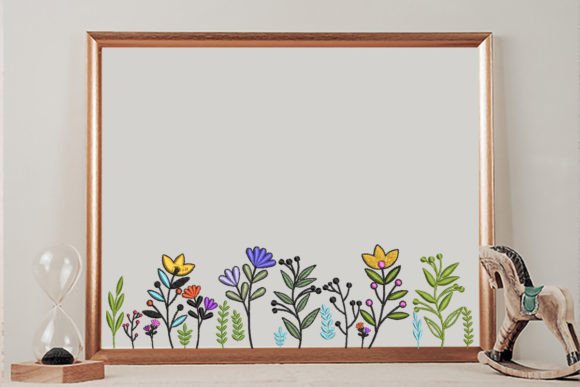
As a designer who has spent countless hours staring at digitized patterns and watching needles dance across fabric, I have developed a keen eye for what works in the real world. We often see designs that look stunning on a screen but fall flat once thread hits cloth. Today, I am taking a close look at Flower Plant, a machine embroidery design from the Bouquets category, to see if it holds up under the scrutiny of actual production.
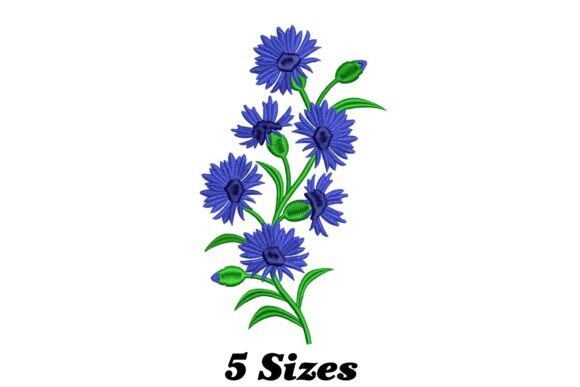
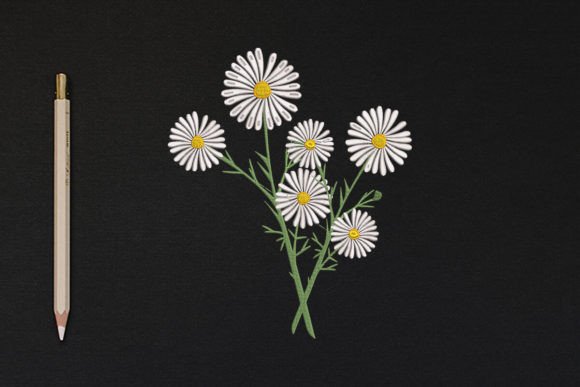
The first impression of Flower Plant is one of approachable charm. It does not try to be overly complex or hyper-realistic. Instead, it leans into a fun and whimsical accent style that feels modern yet timeless. For those of us running small shops or creating handmade products, this balance is crucial. A design that is too intricate can become a stitching nightmare on textured fabrics, while something too simple might not justify the price point for a custom apparel item. Flower Plant sits comfortably in the middle, offering enough detail to be interesting without demanding perfection from every stitch.
Real-World Application: The Tote Bag Test
To truly evaluate an embroidery file, you have to imagine it on a finished product. I recently considered using Flower Plant for a line of canvas tote bags aimed at local farmers' market shoppers. The goal was to create a personalized gift option that felt boutique-quality but remained durable. When visualizing Flower Plant on a natural cotton canvas, the layout proved effective. The shape and theme allow it to stand out against the neutral background without getting lost in the weave of the fabric.
This design shines in scenarios where you need a quick visual impact. Whether you are working on sweatshirt embroidery for a casual brand or adding a decorative touch to kitchen towels, the whimsical nature of the pattern adds personality. It is not just about the image; it is about the mood it creates. For Etsy sellers looking to differentiate their listings, this kind of design asset helps build a cohesive brand identity that feels friendly and inviting.
Stitching Performance and Technical Considerations
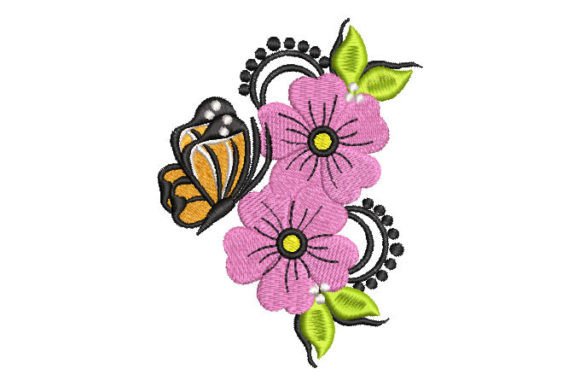
From a technical standpoint, how does Flower Plant behave under the needle? While specific stitch counts and file formats are not provided in the brief description, we can infer some best practices based on its visual style. Designs with this level of whimsy often utilize a mix of fill stitch for the broader petals and satin stitch for outlines or stems. This combination requires careful attention to thread colors and tension.
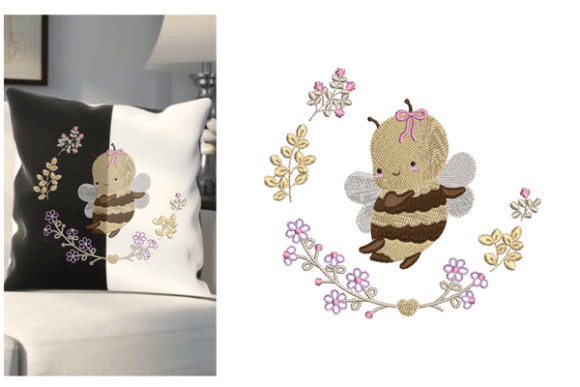
If you are planning to use this as an applique design, ensure that the cut lines are clear. If it is a standard filled design, check the stitch density. High-density areas can cause puckering, especially on thinner fabrics like baby clothes or lightweight t-shirts. I always recommend testing the design on scrap fabric first. This allows you to adjust your stabilizer choice accordingly. For stretchy fabrics, a cut-away stabilizer might be necessary to prevent distortion, whereas a tear-away could suffice for stable home decor items like pillow covers.
One area where caution is needed is with dark fabrics. If the design relies on subtle shading, it may lose definition against black or navy backgrounds. In such cases, consider using a higher contrast thread palette or adding an underlay stitch if your digitizing software allows for adjustments. Always review the design in black and white mockups to ensure the structural integrity remains visible regardless of color choices.
Versatility Across Product Lines
The versatility of Flower Plant makes it a strong candidate for various commercial embroidery projects. Here is how it performs across different categories:
- Custom Apparel: Works well on left-chest placements for t-shirts or larger center prints on hoodies. The whimsical accent appeals to a broad demographic.
- Home Decor: Ideal for tea towels and aprons. The design adds a touch of charm without overwhelming the utility of the item.
- Baby Items: Suitable for onesies or burp cloths, provided the stitch density is adjusted to remain soft against sensitive skin.
- Accessories: Great for embroidered patches or caps. However, be mindful of curved surfaces; you may need to resize the design to fit smaller hoop sizes without distorting the proportions.
For holiday embroidery, such as spring-themed gifts or Easter baskets, this Bouquets-style design fits naturally. It also serves well as a year-round staple for craft business owners who need reliable digital embroidery file options that do not feel seasonal or dated.
Enhancing Brand Value and Customer Trust
Why does the choice of design matter for your bottom line? Because customers associate quality with clarity. A muddy or poorly executed embroidery project can damage trust in your handmade product. Flower Plant, with its clean lines and balanced layout, supports a professional presentation. When buyers see a crisp, well-stitched design, they perceive higher value. This is essential for small shop products competing in saturated markets like Etsy.
Moreover, using consistent design assets helps in creating printable mockups and digital product previews that look cohesive. If you are selling finished products, the recognizability of a signature style can lead to repeat customers. Flower Plant offers that recognizable whimsical flair that can become part of your brand’s visual language.
Practical Notes for Designers and Makers
Before you commit to a large run of custom apparel or boutique branding items, keep these practical tips in mind:
- Check Licensing: Confirm whether the license allows for commercial use. As an Etsy seller or craft entrepreneur, you must ensure you have the right to sell finished items made with this design.
- Test Hoop Sizes: Ensure the design fits within your available hoop size. Resizing too much can alter stitch density and cause thread breaks.
- Thread Contrast: Experiment with thread colors. Sometimes a monochromatic look works best for a subtle accent, while vibrant colors pop for a fun statement piece.
- Fabric Texture: Avoid using highly textured fabrics if the design has very fine details, as the texture can obscure the stitching clarity.
- Wash Testing: Always wash a test sample. This ensures the stabilizer dissolves properly and the threads do not bleed or shrink disproportionately to the fabric.
In conclusion, Flower Plant is a solid addition to any designer’s library. It bridges the gap between playful and professional, making it suitable for everything from personalized gifts to commercial embroidery ventures. By respecting the technical requirements of machine embroidery and understanding the context in which the design will be used, you can leverage this Bouquets-themed pattern to create high-quality, engaging products. Remember, the best embroidery project is one that looks as good in hand as it does on the screen, and with careful execution, Flower Plant delivers on that promise.